
Most of us have been there—you apply deodorant, step out feeling confident, and for a while, everything seems perfectly under control. And then—somewhere between your first meeting and your second cup of coffee—you start to wonder, “Wait… is that me?”
It’s an awkward realization, and if you’ve experienced it, you’re definitely not alone. What makes it even more confusing is that you’re doing what everyone recommends—using deodorant regularly—yet the problem still shows up uninvited.
The truth is, deodorant isn’t always solving the problem the way you think it is. Body odour is influenced by a mix of biology, bacteria, and daily habits, and unless those are addressed, even the most trusted products can fall short.

The Biology Most People Don’t Understand
Body odour isn’t random—it’s deeply biological. The human body produces different types of sweat, and how that sweat interacts with bacteria determines how you smell.
Apocrine glands, found in areas like the underarms, release a thicker type of sweat rich in proteins and lipids. On its own, this sweat is almost odourless. The smell develops when skin bacteria break down these compounds into volatile molecules.
What makes this more complex is that not everyone produces the same chemical composition in their sweat. Genetic differences—particularly those linked to how certain compounds are secreted through the skin—play a major role. Some people naturally produce substances that bacteria convert into stronger odours.
At the same time, the human body also releases subtle chemical signals often referred to as pheromones. While these are not responsible for unpleasant smell, they do influence natural body scent and how individuals perceive each other. This explains why body odour is not always interpreted the same way by different people.
Interestingly, the way our natural body scent is perceived is also influenced by subtle chemical signals, which you can explore in more detail here.
1. You’re Masking the Smell, Not Eliminating It
Deodorants are designed to mask odour, not stop it. They add fragrance, but the bacteria causing the smell remain active. Once the fragrance fades, the odour returns.
2. Bacteria Levels Differ from Person to Person
Body odour is caused when bacteria break down sweat. Some people naturally have higher bacterial activity on their skin. According to the National Institutes of Health, variations in the skin microbiome significantly affect how body odour develops.
3. You’re Applying It on Unclean Skin
Applying deodorant without properly cleansing the area only layers fragrance over existing bacteria. This makes the problem worse instead of solving it.
4. Your Sweat Type Matters
Not all sweat is the same. Apocrine sweat, found in the underarms, contains proteins that bacteria thrive on, leading to stronger odour in some individuals.
5. Product Build-Up Is Blocking Effectiveness
Over time, deodorant residue can build up on the skin, trapping bacteria and reducing the effectiveness of new applications. This creates a cycle where the product stops working as expected.
6. Moisture Is Not Being Controlled
Even with deodorant, moisture remains. Damp environments allow bacteria to multiply quickly, especially in areas like the underarms and the groin.
7. Your Diet and Hormones Play a Role
Foods like garlic, onions, and spices, along with hormonal fluctuations and stress, can intensify body odour. This explains why some people smell stronger despite practicing good hygiene.
The Mayo Clinic notes that persistent body odour may sometimes be linked to underlying conditions rather than just hygiene habits.
Final Thought
If you’ve been dealing with persistent body odour despite using deodorant, it’s easy to feel frustrated—or even self-conscious. But the reality is, this is far more common than most people admit, and more importantly, it is completely manageable once you understand the root causes.
What you’ve seen here isn’t guesswork. Body odour is influenced by biology, bacteria, lifestyle, and daily habits—not just how often you bathe or what product you use. That’s why quick fixes often fail, but a more informed approach works.
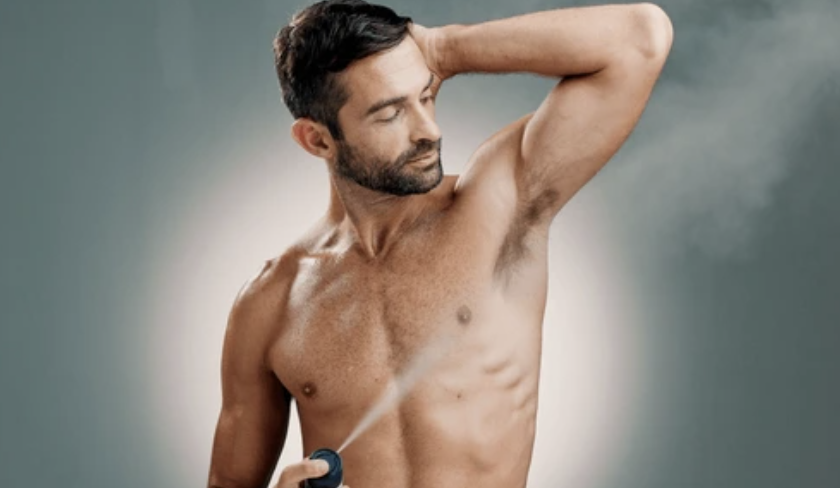
By focusing on proper cleansing, choosing the right products, managing moisture, and being mindful of factors like diet and stress, you’re not just masking the problem—you’re addressing it at its source. Small, consistent changes in these areas can lead to noticeable and lasting improvement.
It’s also important to remember that everyone’s body is different. What works for one person may take a little adjustment for another. But that doesn’t mean you’re stuck with the problem—it simply means you need the right approach for your body.
With the right understanding and habits, staying fresh isn’t reserved for a few—it’s something you can absolutely achieve.
#BodyOdour, #HygieneTips, #MensHealth, #DailyCare, #HealthAwareness


Pingback: Odour,that you cant stand-eat Your Body Odour and Stay Fresh
Pingback: Still Smelling After a Shower? 7 Hidden Causes You’re Ignoring - Eastside Writers
Pingback: Best Soap for Body Odour: What Actually Works (Dermatologist-Backed Guide) - Eastside Writers
Pingback: Groin Smell & Itching Even After Bathing? 7 Causes & Real Fixes - Eastside Writers