
Zinc deficiency is more common than most people realize, yet it often goes unnoticed. From weakened immunity to low energy and skin issues, the signs can be subtle but impactful. Understanding the best zinc-rich foods and how to include them in your daily diet can make a significant difference to your overall health.
Zinc is a necessary trace element with numerous biological roles. It aids in metabolism and immunity, promotes healthy skin and hair, speeds up the healing of wounds, and may even boost fertility. In a nutshell, zinc is essential for proper body function. Since this is the case, it’s even more crucial that we watch out for it when we eat.

In this article, we will walk you through the amazing benefits of zinc, which many of us are not aware of. We shall also look into the recommended quantities and the various types of natural foods, such as fruits, vegetables, and nuts, available to us. The following is a complete list of zinc-rich foods that can be incorporated into your diet. The recommended daily allowance of zinc is 10mg for men and 7 mg for women.
There is a reason why zinc is good for you.
Although only about 2–4 g of zinc is actually present in the body, it plays a crucial role in maintaining a healthy metabolism. Because of its role in cell division, zinc is directly related to skin and hair health, as well as to the speed with which wounds heal.
Furthermore, zinc is required for the maturation and activation of immune cells, making it an important mineral for a properly functioning immune system. Weakened immunity from a lack of zinc makes the body more susceptible to illnesses like the common cold.
What Is Zinc and Why It Matter
Zinc is an essential mineral that plays a crucial role in maintaining overall health. It supports immune function, helps in wound healing, and contributes to proper cell growth and repair. Despite its importance, the body does not store zinc, which means it must be regularly obtained through diet. Even a slight imbalance can affect energy levels, skin health, and the body’s ability to fight infections, making zinc a key component of daily nutrition.
Signs of Zinc Deficiency
Zinc deficiency often goes unnoticed because its symptoms can be subtle in the beginning. Common signs include frequent infections, slow wound healing, hair thinning, and reduced appetite. Some people may also experience fatigue, difficulty concentrating, or changes in taste and smell. Over time, a lack of zinc can weaken the immune system and affect overall well-being, which is why early recognition is important.
The 25 Best Foods to Eat If You Want More Zinc
Zinc might not be something you think about every day, but it plays a powerful role in keeping your body functioning well. From strengthening your immune system to helping wounds heal faster, this essential mineral quietly supports several key processes. While zinc is commonly found in animal-based foods, there are also plant-based sources available. However, because the body absorbs zinc less efficiently from plant foods, vegetarians and vegans may need up to 50 percent more to meet their daily requirements.
The easiest way to maintain healthy zinc levels is through a balanced, everyday diet. Foods like mushrooms, oysters, meat, shellfish, seeds, nuts, dairy products, and whole grains are rich in zinc and easy to include in meals. Plant-based options such as lentils and peas also contribute, even if their absorption is slightly lower. By including a mix of these foods regularly, you can naturally support your body and reduce the chances of deficiency over time.
1. Mushrooms
Mushrooms are a great source of zinc, a mineral that is essential for a healthy immune system, wound healing, and growth and development. The exact amount of zinc in mushrooms can vary depending on the type of mushroom, but in general, mushrooms are a good dietary source of this nutrient. For example, one cup of sliced white mushrooms contains approximately 0.4mg of zinc, which is about 4% of the recommended daily intake. Additionally, mushrooms contain other important nutrients, such as vitamin D and antioxidants, that can contribute to overall health and well-being.
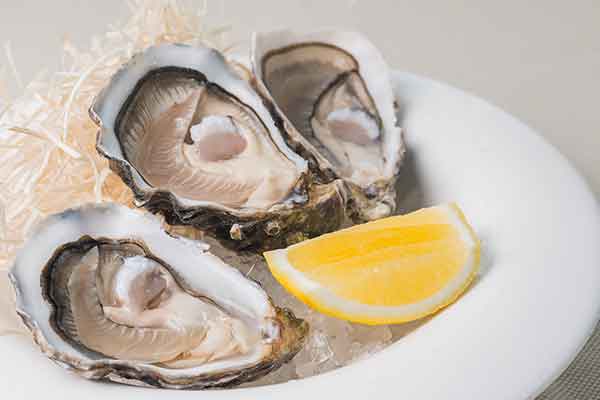
2. Oysters
Oysters are known for their high nutritional value, including their high zinc content. Zinc is an essential mineral that plays a vital role in many bodily functions, including immune system function, wound healing, and DNA synthesis. Oysters are one of the richest food sources of zinc, with some species containing up to 78 milligrams of zinc per 100 grams of edible tissue. This makes them a valuable food for individuals who may be at risk of zinc deficiency, such as vegetarians and pregnant women. Zinc content in oysters can vary depending on factors such as the oyster’s species, size, and the location where they are harvested.
3. Soybeans
The high protein content of soybeans (Glycine max) has earned them a place among the world’s healthiest foods. Soybeans are well-known for their high protein content, but fewer people know that they also have one of the largest concentrations of zinc in any vegetable. Soybeans are a great addition to a healthy diet because each 100g serving contains 4.2mg of zinc. Cooked beef, on the other hand, is widely regarded as a good source of zinc, but its 6.1mg of zinc per 100g is only marginally greater than that of soybeans.
4. Blackcurrants
Blackcurrants are a great source of zinc, an essential mineral that plays a vital role in various bodily functions. Blackcurrants contain about 0.27mg of zinc per 100g, which makes them a good dietary source of this nutrient. Consuming blackcurrants regularly, along with a balanced diet, can help individuals meet their daily zinc requirements and promote overall health and well-being.
5. Peas
Pisum sativum, commonly known as peas, is not only a tasty vegetable but also a very nutritious one. This is in part because of the green legume’s surprisingly high zinc content: peas have almost 3.8mg of zinc per 100g. These little vegetables pack a powerful punch thanks to their high protein content and the presence of saponins, which boost the immune system and reduce inflammation.a benefit widely discussed in immune system function research
Lentils contain lectins that can cause digestive issues if not properly cooked. Cooking does not diminish the concentration of minerals like zinc, in contrast to vitamins, which are destroyed by heat.
6. Spinach
Spinach is a leafy green vegetable that is packed with nutrients such as vitamins, minerals, and antioxidants. One of the essential minerals found in spinach is zinc. The zinc content of spinach is 79 mg per 100 g. Although spinach is not considered a significant source of zinc, it still provides a decent amount. The zinc content in spinach can vary depending on factors such as soil quality, farming practices, and cooking methods. On average, a cup of cooked spinach contains approximately 0.53 mg of zinc, which represents about 5% of the recommended daily intake for adults.
7. Peanuts
Although commonly referred to as a nut, the peanut (Arachis hypogaea) is actually a legume (Faboideae) rather than a tree nut. To be more precise, peanuts are most strongly connected to lentils (Cicer) and chickpeas. The peanut, like nearly all legumes, is a superb source of the mineral zinc. The peanut is a nutritious food that has significantly more zinc than other protein sources, including turkey, with 3.0 to 3.5mg per 100g (2mg per 100g).
8. Sweet corn
Zinc is in abundance in sweetcorn, which you can grow in your garden. Corn’s zinc content varies from about 1.7 mg per 100 g to about 3.5 mg per 100 g, depending on how it was grown and processed. The most important part of producing zinc-rich corn is the growing process itself, as the plant needs to be given enough nutrients.
9. Meat
Meat is a good source of dietary zinc, a mineral that plays an essential role in various bodily functions, including immune system function, wound healing, and DNA synthesis. Different types of meat contain varying amounts of zinc, with beef and pork being particularly good sources. Meat supplies a good source of zinc, with 3 ounces containing 2.4 grams. The amount of zinc in meat can also be influenced by factors such as the animal’s diet and the cooking method used. Overall, including meat in your diet can help you meet your daily zinc requirements, which is important for maintaining good health.

10. Walnuts
Walnuts are a nutritious food that contains a variety of essential vitamins and minerals, including zinc. Zinc is an important mineral that plays a critical role in immune function, wound healing, and DNA synthesis. According to the USDA Nutrient Database, a one-ounce serving of walnuts contains approximately 0.9 milligrams of zinc, which is about 8% of the recommended daily intake for adults. While walnuts are not the richest source of zinc, they can still be a valuable addition to a healthy diet that includes a variety of nutrient-dense foods.
11. Black gram split
Black gram split, also known as urad dal, is a popular ingredient in many Indian and Southeast Asian dishes. In addition to being a good source of protein and fiber, black gram split also contains a variety of essential vitamins and minerals, including zinc. According to the USDA Nutrient Database, a 100-gram serving of black gram split contains approximately 3.43 milligrams of zinc, which is about 31% of the recommended daily intake for adults. While there are other foods that are richer sources of zinc, black gram split can be a valuable addition to a healthy, balanced diet that includes a variety of nutrient-dense foods.
12. Cocoa
Cocoa is a delicious and nutritious food that is high in many essential vitamins and minerals, including zinc. Zinc is an important mineral that plays a critical role in many biological functions, including immune function, wound healing, and protein synthesis. According to the USDA Nutrient Database, a one-ounce serving of cocoa powder contains approximately 0.4 milligrams of zinc, which is about 4% of the recommended daily intake for adults. While cocoa may not be the richest source of zinc, it can still be a valuable addition to a healthy diet that includes a variety of nutrient-dense foods.
13. Almond
The almond (Prunus dulcis) is one of the most widely consumed nuts in the United Kingdom. Nuts are a wonderful addition to our diets not only because of their tasty flavor but also because of the vitamin E they contain, which helps keep our immune systems healthy. Almonds also have a high zinc content, with about 2.2mg per 100g, which has a synergistic effect on immune function.
14. Curd
Curd, also known as yogurt, is a popular dairy product that is consumed worldwide. It is a rich source of several essential nutrients, including zinc. Zinc is a trace mineral that plays a vital role in many bodily functions, including immunity, cell growth, and wound healing. According to the USDA Nutrient Database, one cup of plain, low-fat curd contains approximately 1.4 milligrams of zinc, which is about 13% of the recommended daily intake for adults. Curd can be an excellent dietary source of zinc for people who follow a vegetarian or lactose-free diet. It can also be consumed in various ways, making it a versatile and nutritious addition to a healthy diet.
15. Sesame seeds
Sesame seeds are a rich source of various essential nutrients, including zinc. Zinc is an important mineral that plays a key role in several bodily functions, including immune system function, wound healing, and DNA synthesis. According to the USDA FoodData Central database, 100 grams of sesame seeds contain approximately 7.75 milligrams of zinc, which is around 70% of the recommended daily intake for adults. Therefore, incorporating sesame seeds into your diet can help you meet your daily zinc requirements and support optimal health.
16. Bananas
Bananas are a popular and nutritious fruit that can provide a variety of essential vitamins and minerals, including zinc. While bananas are not considered a particularly rich source of zinc compared to other foods, a medium-sized banana contains approximately 0.2 milligrams of zinc, which is about 2% of the recommended daily intake for adults. Zinc is an important mineral that plays a role in immune function, wound healing, and cell growth and division. While bananas may not be a significant source of zinc on their own, they can be a healthy addition to a balanced diet that includes other zinc-rich foods.
17. Blackberries
Blackberries are a delicious and nutritious fruit that can be enjoyed fresh or used in a variety of recipes. One of the many nutrients found in blackberries is zinc, an essential mineral that is important for a healthy immune system and many other bodily functions. According to the USDA Nutrient Database, one cup of raw blackberries contains approximately 0.8 milligrams of zinc, which is about 7% of the recommended daily intake for adults. While blackberries are not the most concentrated source of zinc, they are still a good addition to a balanced diet that includes a variety of whole foods.
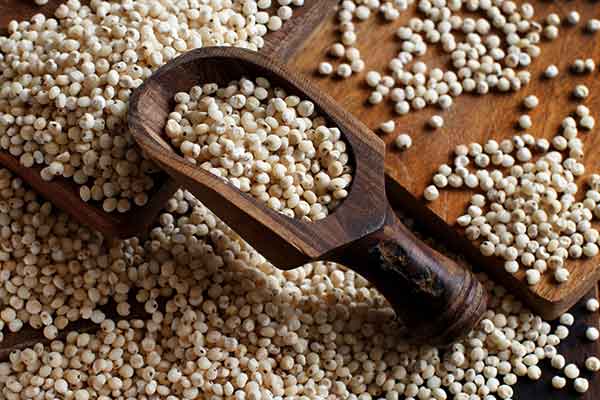
18. Sorghum
Sorghum or better known as jowar is a gluten-free cereal grain that is rich in a variety of important nutrients, including zinc. Zinc is an essential mineral that is required for a healthy immune system, wound healing, and cell growth and division. According to the USDA Nutrient Database, a one-cup serving of cooked sorghum contains approximately 1.2 milligrams of zinc, which is about 11% of the recommended daily intake for adults. Sorghum is also a good source of other minerals such as iron, magnesium, and phosphorus, making it a valuable addition to a healthy, balanced diet.
19. Split Green Gram Beans
Split Green Gram Beans, also known as moong dal, are a rich source of several essential minerals including Zinc. Zinc is an important nutrient that plays a vital role in several bodily functions such as immune system function, wound healing, and DNA synthesis. According to USDA’s National Nutrient Database, 100 grams of split green gram beans contain approximately 3.53 milligrams of Zinc, which is about 32% of the daily recommended value for adults. Incorporating split green gram beans into your diet can be an excellent way to boost your Zinc intake and support overall health and wellness.
20. Eggs
Eggs are a nutritious food that provides a range of essential nutrients, including protein, vitamins, and minerals. One mineral that can be found in eggs is zinc, which plays an important role in many bodily functions, such as immune function, wound healing, and DNA synthesis. The zinc content in eggs can vary depending on factors such as the hen’s diet and the egg’s size. On average, a large egg contains around 0.5 milligrams of zinc, which is about 5% of the recommended daily intake for adults. While eggs may not be a significant source of zinc on their own, they can still contribute to meeting daily zinc needs as part of a balanced diet.
21. Millets
Millets are a group of highly nutritious, gluten-free grains that are gaining popularity as a healthy food source. Among their many health benefits, millets are a good source of zinc, an essential mineral that plays a critical role in many bodily processes, including immune function, wound healing, and DNA synthesis. Depending on the variety of millet, the zinc content can range from 1.5 to 3.3 milligrams per 100 grams of grain. This makes millet a great dietary option for those looking to increase their zinc intake, especially for individuals following a vegetarian or vegan diet.
22. Brazilian nut
The Brazil nut (Bertholletia excelsa), which is native to South America’s tropical rainforests, has recently exploded in popularity around the world thanks to its delicious flavor and high concentration of healthy unsaturated fatty acids. These advantages are in addition to the fact that this nut contains 4 mg of zinc per 100 g, making it a potent immune system booster.
23. Pumpkin seeds
Pumpkin seeds are a great source of zinc, with 100 grams of pumpkin seeds containing approximately 7.64 mg of zinc. Zinc is an essential mineral that plays a crucial role in many bodily functions, including immune system function, wound healing, and cell growth and division. Zinc also has antioxidant properties, which help protect the body against damage from harmful free radicals. Consuming pumpkin seeds as part of a healthy diet can help ensure adequate intake of this important mineral.
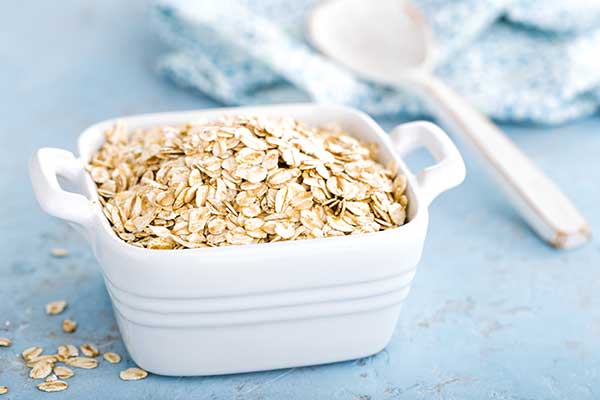
24. Oatmeal
Oatmeal is a nutritious and popular breakfast food that is rich in many essential nutrients, including zinc. Zinc is an important mineral that plays a key role in various bodily functions, such as immune system function, wound healing, and cell growth and division. One cup of cooked oatmeal provides about 1.1 milligrams of zinc, which is approximately 10% of the recommended daily intake for adults. While oatmeal may not be the richest source of zinc, it can certainly contribute to meeting one’s daily needs for this important nutrient.
25. Pecans
Pecans are a delicious and nutritious nut that can be enjoyed in a variety of ways, from snacking to baking. One of the essential nutrients found in pecans is Zinc. Zinc is an essential mineral that plays a vital role in many bodily functions, including immune function, wound healing, and DNA synthesis. According to the USDA Food Composition Database, one ounce (28 grams) of pecans provides approximately 1.28 milligrams of zinc, which is about 12% of the daily recommended intake for adult men and women. Incorporating pecans into your diet can be an excellent way to boost your zinc intake and support overall health.
How to Improve Zinc Absorption
Absorbing zinc efficiently is just as important as consuming it. Certain compounds in foods, such as phytates found in grains and legumes, can reduce zinc absorption. Simple practices like soaking, fermenting, or sprouting these foods can help improve bioavailability. Pairing zinc-rich foods with protein sources and maintaining a balanced diet also supports better absorption and utilization by the body.
Final Thoughts
Zinc may not always receive as much attention as other nutrients, but its impact on health is significant. From supporting immunity to maintaining skin and energy levels, its role is essential. Being mindful of your diet and recognizing early signs of deficiency can help you stay balanced and healthy. Small, consistent dietary choices can make a noticeable difference over time.
You may also read: Why Does My Fart Smell So Bad? The Hidden Causes You Might Be Ignoring
ZincDeficiency, #HealthyEating, #NutritionTips, #ZincRichFoods, #BalancedDiet, #ImmuneHealth, #WellnessJourney, #HealthyLifestyle, #Micronutrients, #FoodForHealth, #DietAndNutrition, #HealthAwareness
Disclaimer: This information is for educational purposes only, and no medical advice should be inferred from it. Before changing your diet or adding supplements, please talk to your doctor.
The author’s views are his or her own. The facts and opinions in the article have been taken from various articles and commentaries available in the online media and Eastside Writers does not take any responsibility or obligation for them.
Note: Contact our Writers at www.eastsidewriters.com for writing Blogs/Articles on any niche. We have experts in various domains from Technology to Finance and from Spirituality to Lifestyle and Entertainment.



Pingback: Why Do I Have Smelly Farts? Discover the Remedy for Bad Odors.